Using the STAR Method Without Sounding Rehearsed
A practical guide to structuring behavioral interview answers with Situation, Task, Action, Result — and keeping them natural.
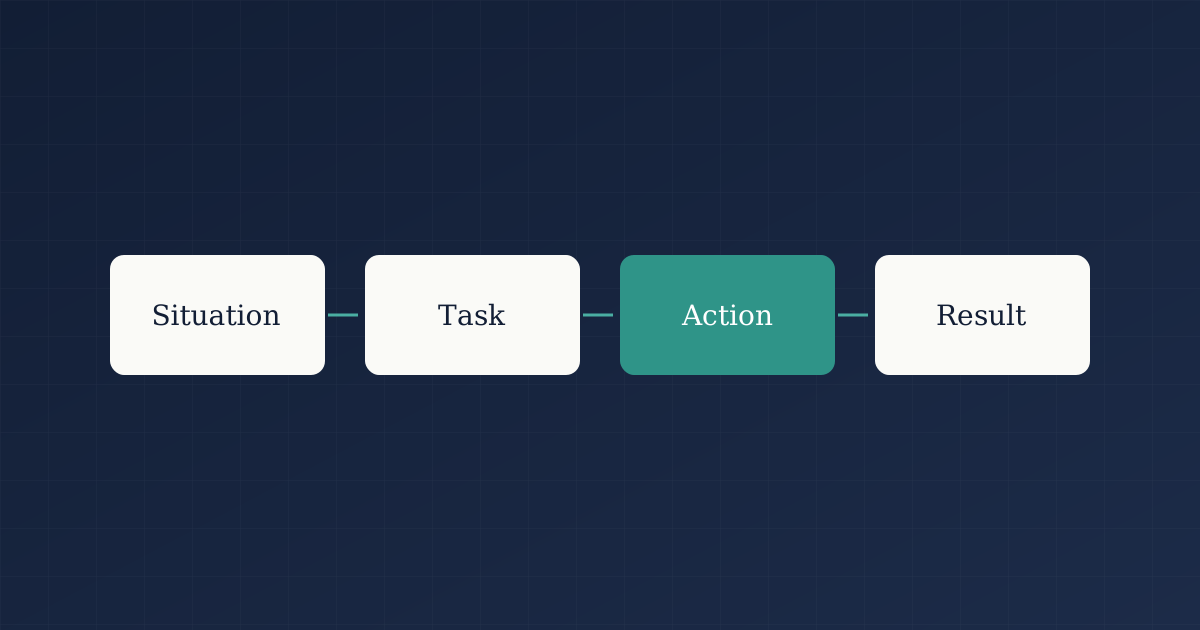
Behavioral questions — “Tell me about a time when…” — are common in interviews. The STAR method gives your answer a shape so the interviewer can follow it.
The four parts
- Situation: the context, in one or two sentences.
- Task: what you were responsible for.
- Action: what you did. This should be the longest part.
- Result: what happened, and what you learned.
Keep it conversational
Prepare stories, not scripts. Write down six to eight experiences that show different strengths — leading, resolving conflict, recovering from a mistake, handling ambiguity — and practice telling each one out loud in about two minutes.
Connect to your resume
Your strongest resume bullets are often the headlines of your best STAR stories. If a bullet says you reduced onboarding time, be ready to walk through exactly how.
Interviewers often ask follow-up questions. Knowing the details of your own story matters more than a polished delivery.
Editorial standards: Articles are drafted with AI assistance and edited, fact-checked, and approved by our editorial team. We don’t publish unverified statistics or testimonials.
Keep reading
All articles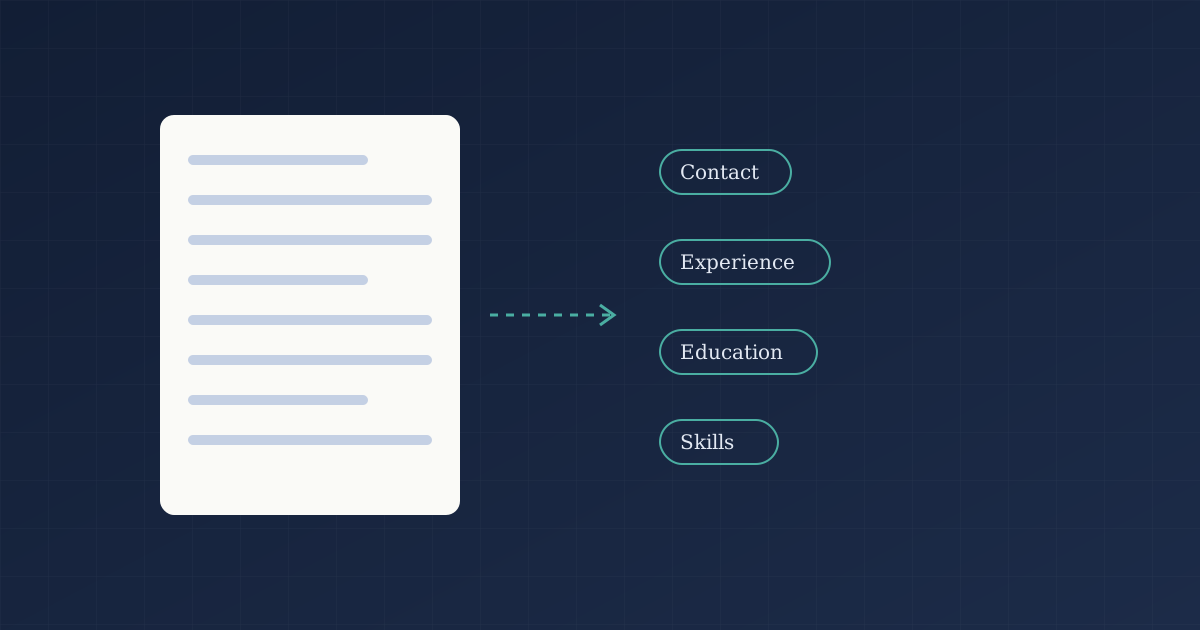
How Applicant Tracking Systems Actually Read Your Resume
A plain-English guide to how ATS software parses, stores, and searches resumes — and the formatting choices that help your experience come through intact.
Oct 28, 2026

How to Quantify Achievements on Your Resume (Even Without Sales Numbers)
Practical ways to add scale, frequency, and outcomes to resume bullet points when your role doesn't come with obvious revenue metrics.
Oct 21, 2026

Tailoring Your Resume to a Job Description in 20 Minutes
A repeatable, time-boxed process to adapt one strong master resume to each application without starting from scratch.
Oct 14, 2026